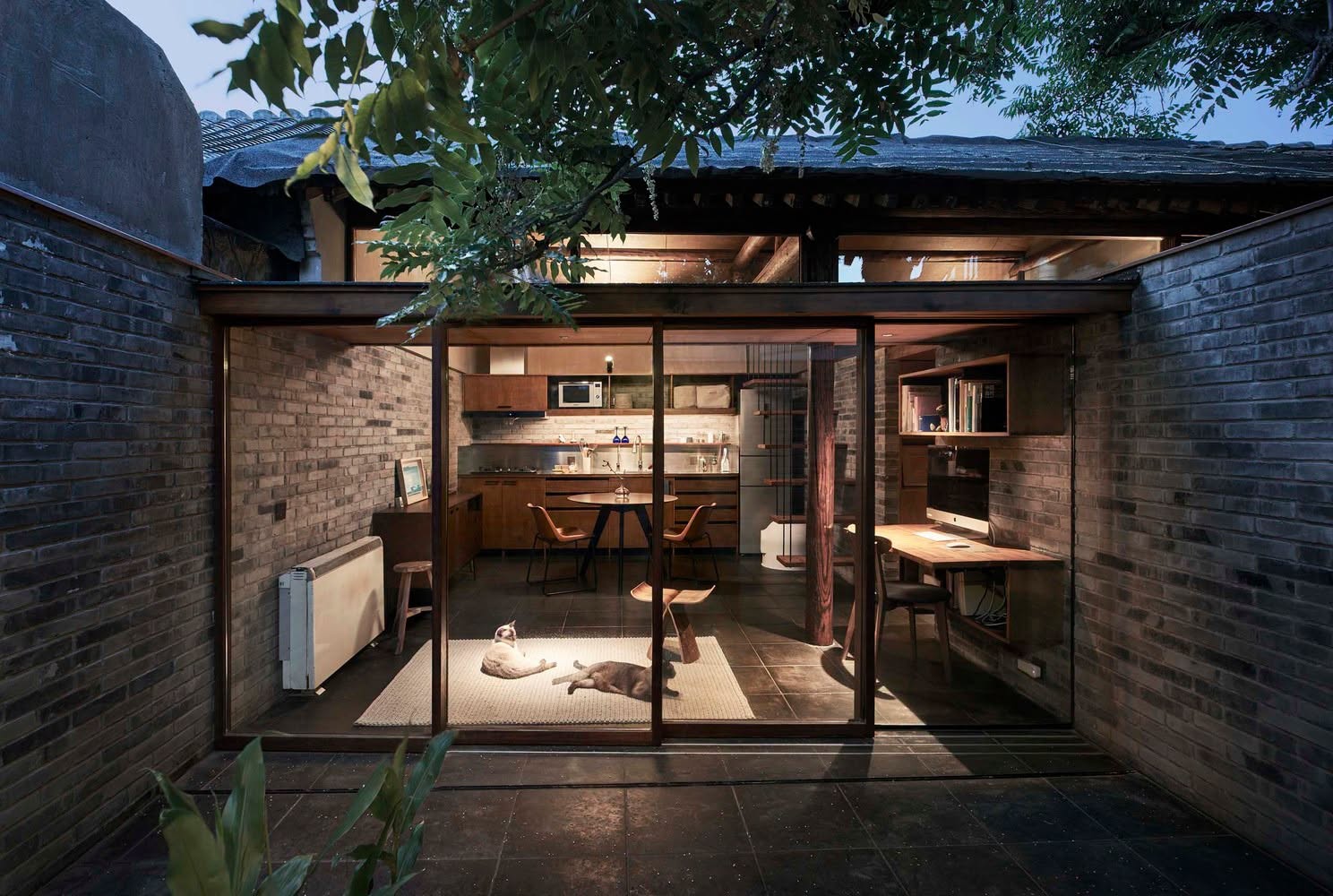







Lighting has always been the quiet architect of atmosphere. A room without a thoughtful light source is like a sentence without punctuation — functional, perhaps, but toneless. In 2026, we are finally treating light the way it deserves to be treated: not as an afterthought tucked above a door, but as a primary design element, as considered as a sofa or a piece of art.
Whether you’re illuminating a reading corner with a soft floor lamp or framing an entrance with a grand pendant, the choices available today are richer, bolder, and more personal than ever before.
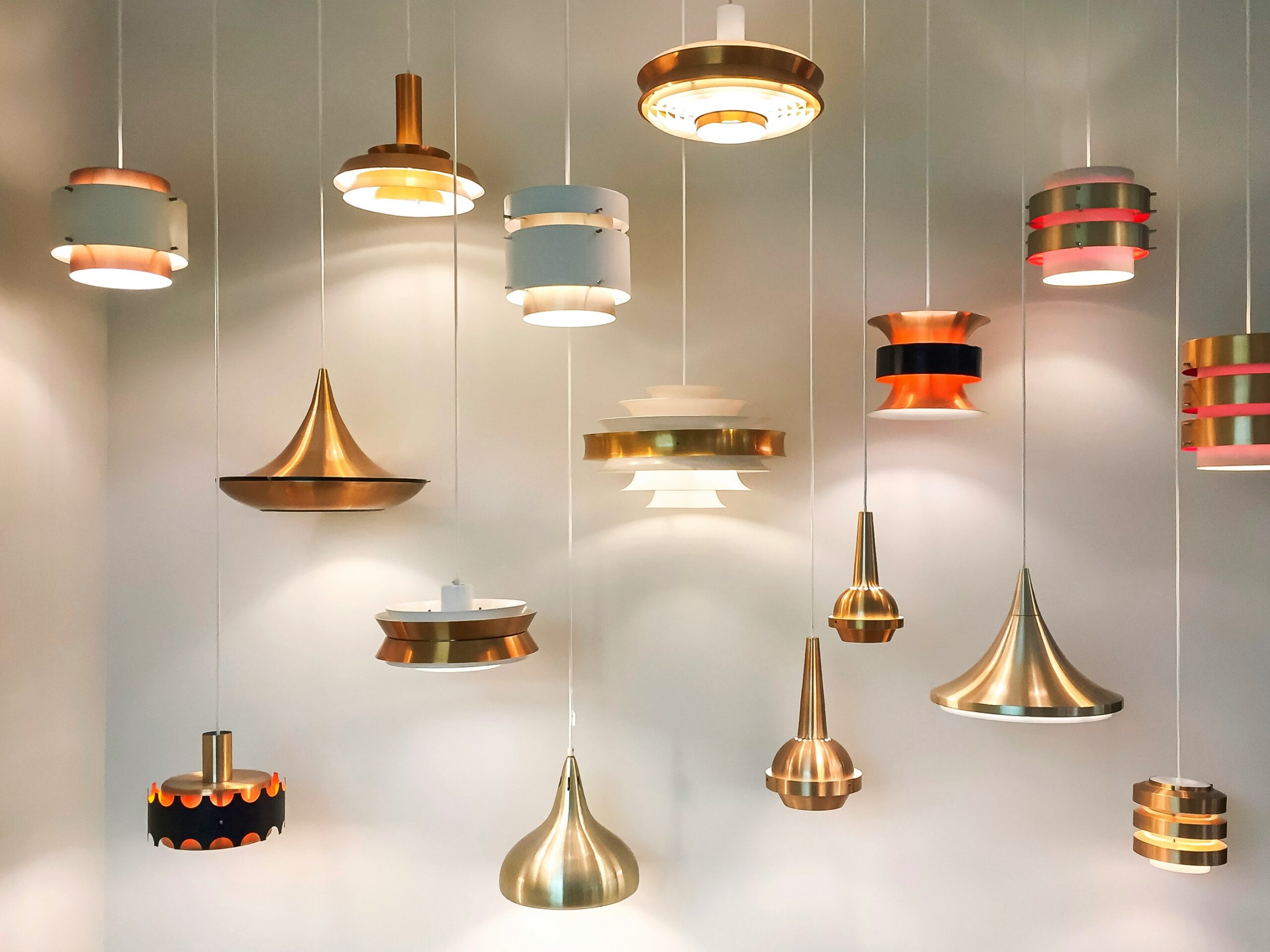
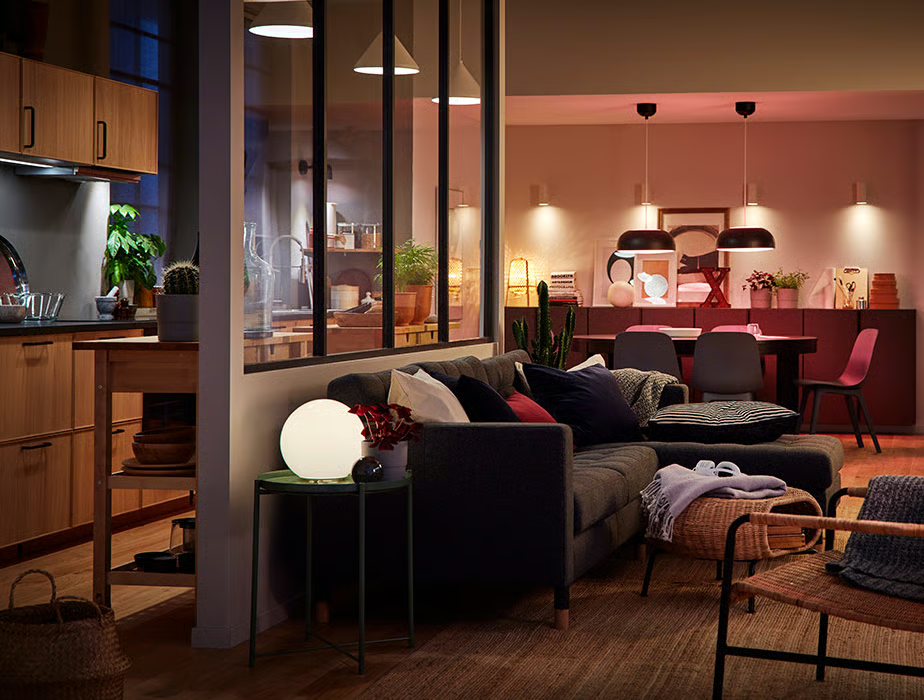
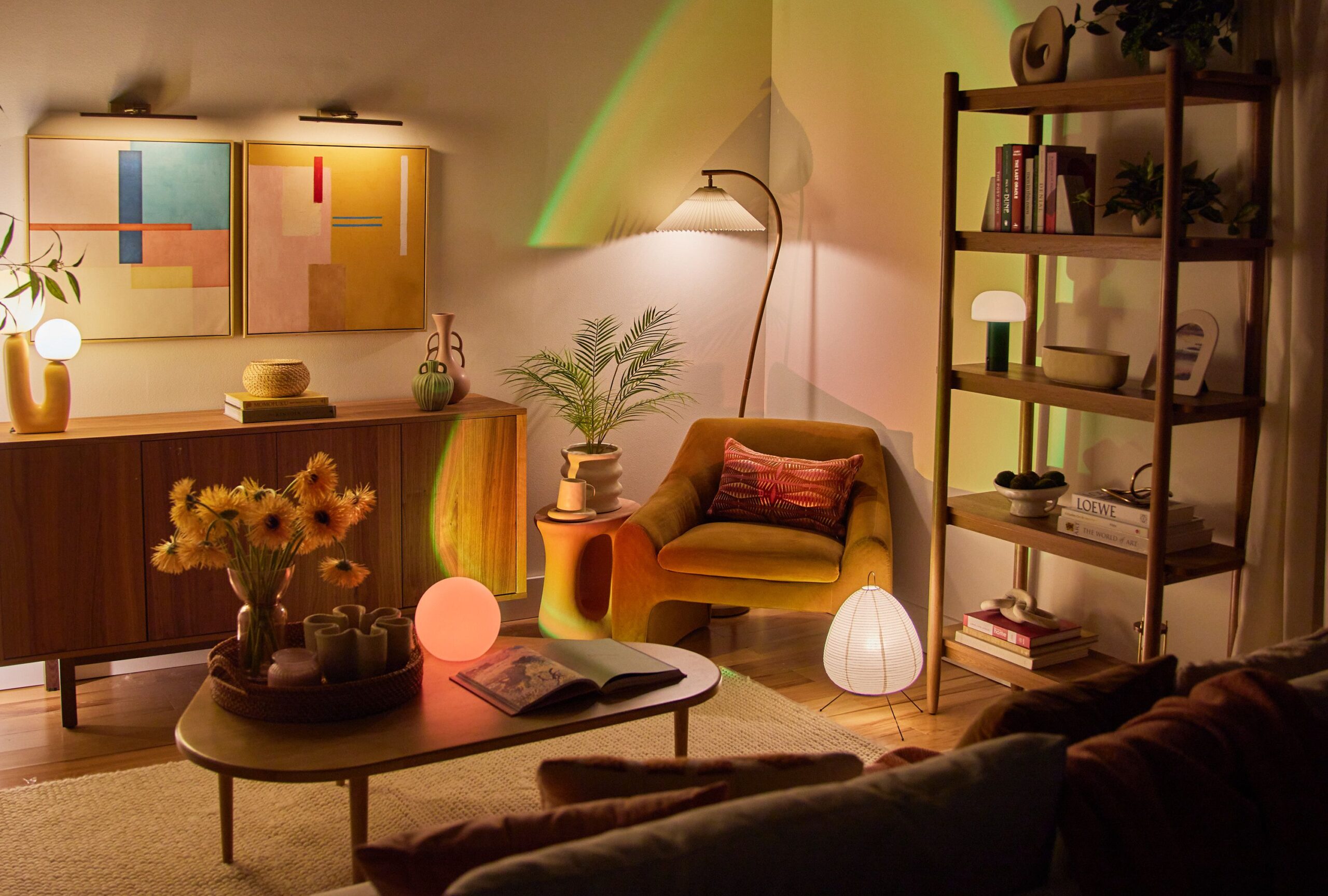
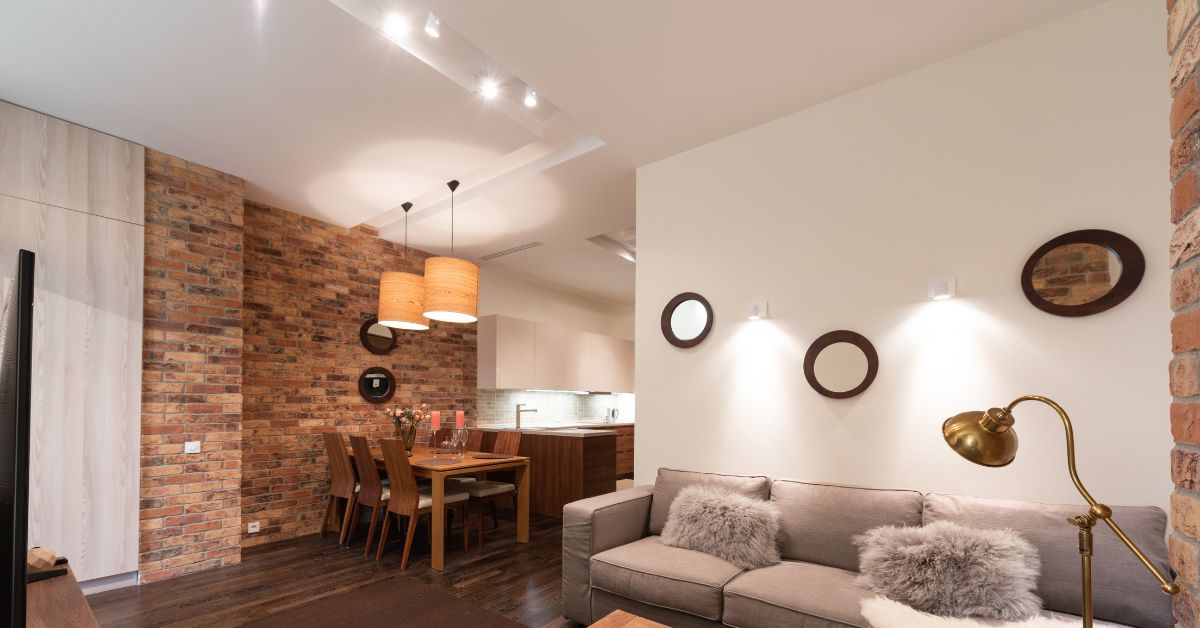
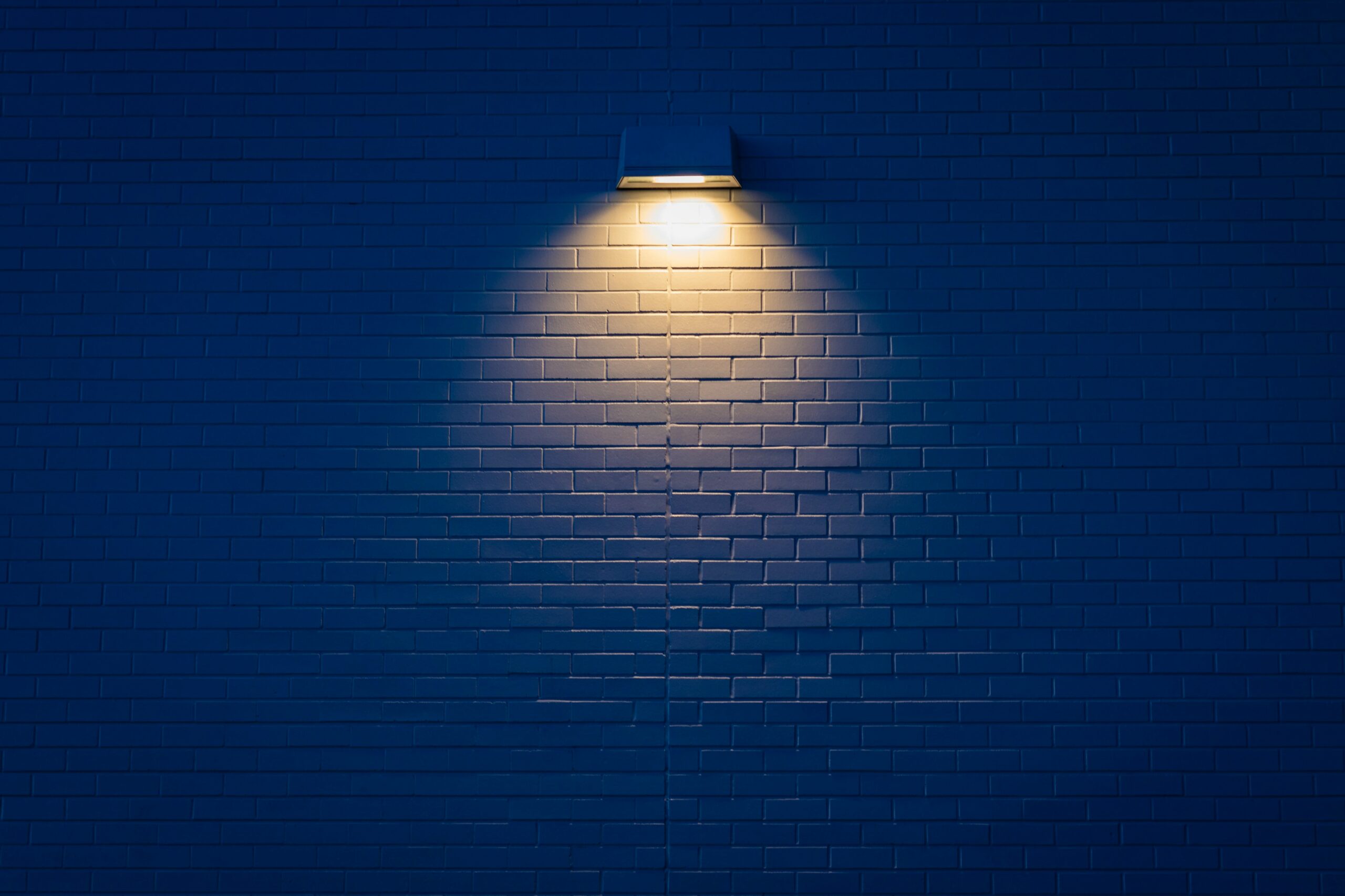
Good interior lighting is never a single source — it is a conversation between layers. Designers speak of three foundational tiers: ambient, task, and accent lighting. Ambient light provides the general illumination of a room — the soft wash from a ceiling fixture or chandelier that makes a space liveable. Task lighting is focused and purposeful: the desk lamp angled over a book, the pendant hovering above a kitchen island. Accent lighting, meanwhile, is the poet of the trio — a wall sconce grazing exposed brick, an uplighter pooling beneath a sculptural plant.
The most successful interiors layer all three, varying height, warmth, and intensity to create a space that breathes differently depending on the hour.
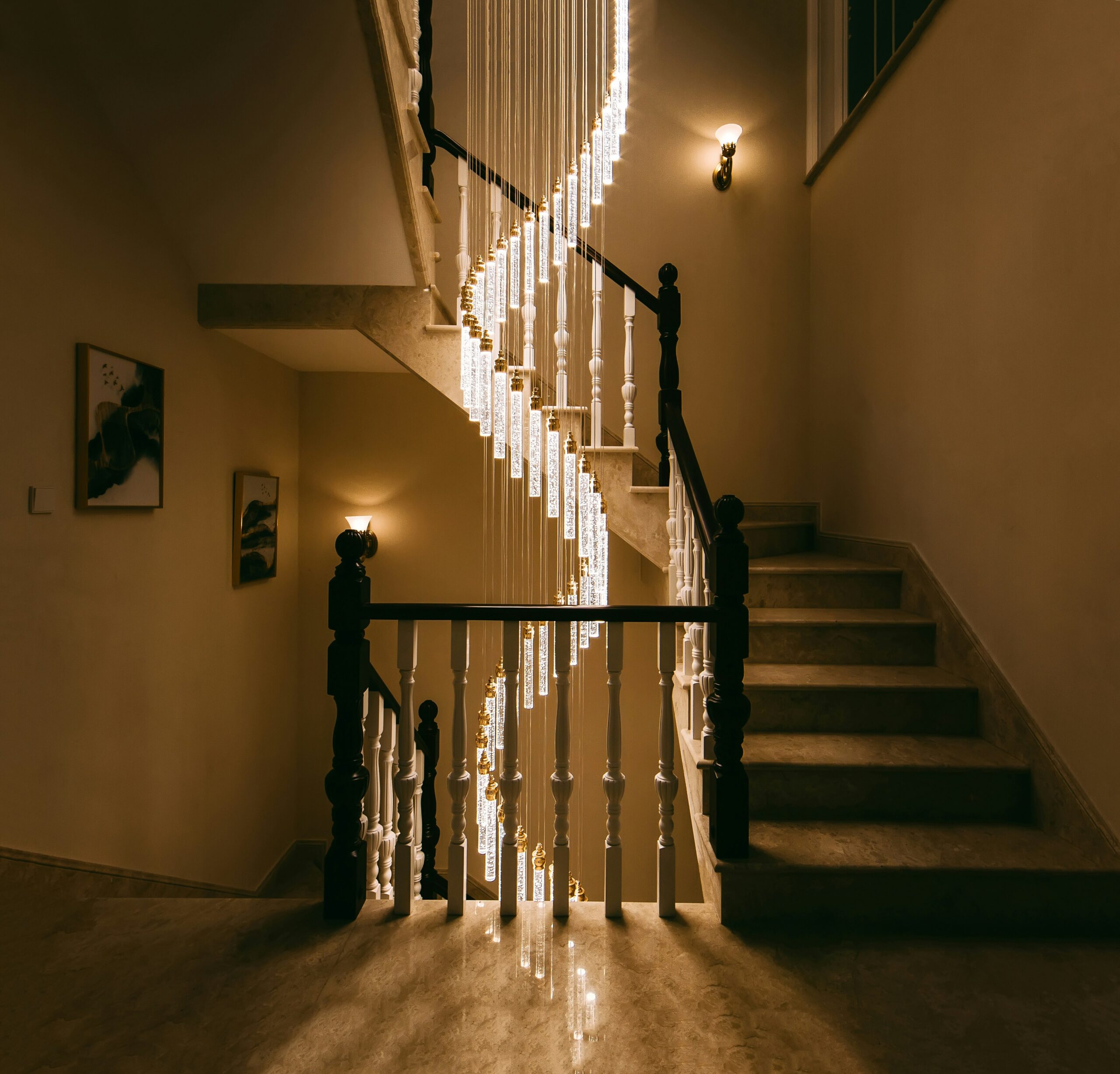
If the base is the body of a lamp, the shade is its voice. The drum shade — cylindrical, clean — remains the most popular form for its versatility, but 2026 brings evolution: oversized drums on slim floor lamp stems creating a mushroom-like silhouette that feels simultaneously retro and forward-looking. Empire shades, with their gentle downward flare, return warmth to traditional settings. Coolie shapes — wide-brimmed, low-angled — cast dramatic pools of light across a tabletop. And for those drawn to contemporary tension, square shades are making a quiet comeback, pairing with organic ceramic bases to create a structured contrast that designers are calling “architectural snap.”